Top Web Design Trends for 2026
 By
Avantika Shergil
|
Mar 9, 2026 |
Website Design
By
Avantika Shergil
|
Mar 9, 2026 |
Website Design
Modern businesses operate in an increasingly competitive digital landscape where website experience often determines first impressions. As technology evolves and user expectations continue to rise, adopting the latest web design trends becomes essential for businesses that want to build engaging, high-performing digital platforms. From interactive interfaces to AI-driven personalization, modern websites are shifting toward experiences that are more intuitive, visually appealing, and user-focused.
Understanding the newest website design trends helps businesses create digital environments that capture attention, communicate brand value, and improve user engagement. The trends in web design emerging in 2026 emphasize creativity, performance, and seamless usability across devices.
Here we will explore the top web design trends for 2026, highlighting the innovative, creative, trending, trendy, unique, and new web design approaches that businesses, startups, and enterprises can adopt to build modern, impactful websites.
Table of Contents
Why Web Design Trends Matter for Businesses?
Websites have become one of the most important digital assets for modern businesses. A well-designed website is no longer just about visual appeal; it plays a critical role in shaping user experience, strengthening brand credibility, and driving online engagement. As technology evolves and user expectations continue to grow, staying updated with the latest web design trends helps businesses maintain a competitive and professional digital presence.
Studies indicate that nearly 94% of first impressions are influenced by website design, highlighting how crucial modern design is for building credibility and trust with visitors.
Modern consumers expect websites to be fast, interactive, and visually engaging. Outdated interfaces or poor user experiences can quickly reduce visitor trust and lead to higher bounce rates. By adopting modern website design trends, businesses can create intuitive digital environments that encourage users to explore content, interact with features, and complete desired actions such as inquiries or purchases. Research also shows that 38% of users stop interacting with a website if the design or layout appears unattractive, demonstrating the importance of adopting modern and interactive web design practices.
Another important reason to follow trends in web design is the impact on brand perception. Innovative and creative websites signal that a company is forward-thinking and attentive to digital innovation. This is especially important for startups, enterprises, and entrepreneurs that rely heavily on their websites to attract potential clients and customers.
Ultimately, understanding current website design trends enables businesses to build websites that are not only visually appealing but also optimized for user experience, performance, and long-term digital growth.
Key Factors Driving Website Design Trends in 2026
The evolution of modern web design trends is influenced by several technological and user-driven factors. Businesses today must adapt their websites to meet changing digital expectations while delivering faster, smarter, and more engaging user experiences. The following factors are playing a major role in shaping the latest website design trends in 2026.
AI and Personalization
Advancements in AI are transforming how websites interact with users. AI-powered systems allow businesses to deliver personalized content, adaptive layouts, and intelligent recommendations based on visitor behavior. As a result, AI-driven experiences are becoming a defining element of modern trends in web design.
Mobile-First User Behavior
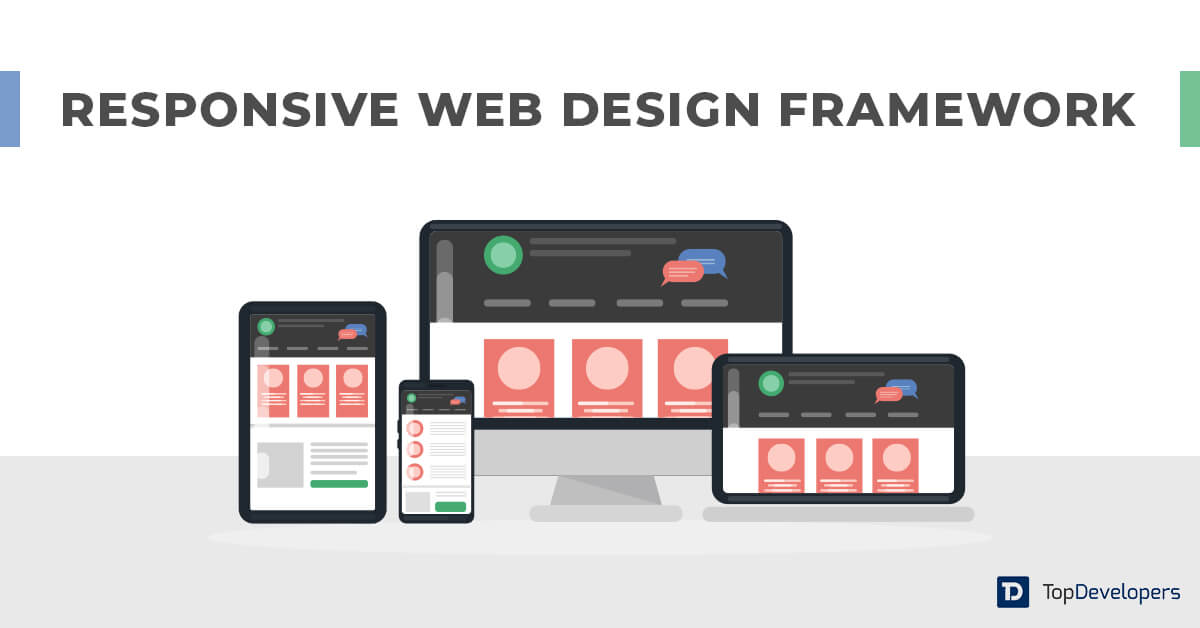
Mobile devices continue to dominate internet usage worldwide. This shift has pushed designers to prioritize mobile-first layouts, responsive interfaces, and streamlined navigation to ensure seamless browsing across smartphones, tablets, and desktops.
Immersive and Interactive Web Technologies
Technologies such as WebGL, motion UI, and dynamic animations are enabling designers to create more engaging digital experiences. These tools support interactive storytelling, immersive visuals, and creative website interfaces that capture user attention.
Accessibility and Performance Expectations
Modern web page design trends are increasingly influenced by accessibility standards and performance optimization. Businesses are focusing on faster loading times, inclusive design practices, and efficient website architecture to ensure their platforms are usable for a wider audience.
Top Trending Web Design Trends for 2026
Website design continues to evolve as businesses look for innovative ways to create engaging and memorable digital experiences. Modern users expect websites to be visually appealing, interactive, and easy to navigate across devices. As technology advances and user behavior shifts, designers are adopting new approaches that combine creativity with functionality to build more effective online platforms.
The latest web design trends focus on improving user experience, increasing engagement, and delivering personalized interactions that keep visitors interested. From AI-powered personalization to immersive visuals and interactive interfaces, these modern website design trends are transforming how brands communicate with their audiences online.
Understanding these trends in web design helps businesses, startups, and entrepreneurs design websites that are not only visually attractive but also strategically built to improve usability, strengthen brand presence, and drive better digital results.
Below are the top web design trends for 2026 that are shaping the future of modern websites.
1. AI-Powered Personalized Web Experiences
Artificial intelligence is transforming how modern websites interact with visitors. Instead of presenting identical content to every user, AI technologies enable websites to analyze visitor behavior, browsing history, and preferences to dynamically adjust content, recommendations, and layouts. This allows businesses to deliver more relevant digital experiences that feel intuitive and engaging for each visitor.
Why AI-Powered Personalization Is Becoming a Major Web Design Trend
AI is gaining importance in modern web design trends because it helps businesses create smarter and more engaging digital experiences. Key reasons driving this trend include:
- AI enables websites to deliver personalized content and product recommendations based on user behavior and browsing patterns.
- AI-driven systems help websites adapt their layout and navigation to provide a smoother and more intuitive user journey.
- Personalized experiences increase user engagement by presenting information that is more relevant to individual visitors.
Business Impact of AI-Powered Personalized Web Experiences
For businesses, implementing AI in web design can significantly improve engagement and conversion rates. AI-powered personalized web experiences help businesses create more effective digital platforms by delivering relevant content and interactions to each visitor. This approach provides several measurable benefits for companies that adopt AI-driven website personalization.
- Higher user engagement: Personalized content encourages visitors to spend more time exploring the website and interacting with its features.
- Improved conversion rates: When users see relevant products, services, or information, they are more likely to complete desired actions such as purchases, sign-ups, or inquiries.
- Better customer satisfaction: Visitors are more likely to trust and return to websites that deliver content tailored to their interests and needs.
These advantages make AI-powered personalization an important component of modern web design trends, helping businesses build more interactive, user-focused, and high-performing websites.
Example of AI-Powered Personalized Web Experiences
Many modern eCommerce websites use AI recommendation engines that analyze customer browsing and purchasing behavior to suggest relevant products. For instance, an online retail website may display “recommended for you” product sections that change dynamically for each visitor.
This web design trend of AI-powered personalization helps businesses create more engaging shopping experiences while improving product discovery and increasing potential sales.
2. Immersive 3D Visuals and WebGL Design
Modern websites are increasingly incorporating immersive visual elements to create more engaging digital experiences. One of the emerging web design trends is the use of 3D graphics and WebGL technology to build visually rich interfaces that capture user attention. These technologies allow designers to present products, services, and brand stories through interactive visuals that feel more dynamic than traditional flat layouts, which is why they are increasingly adopted in modern website design strategies.
Why Immersive 3D Visuals and WebGL Are Becoming Important Web Design Trends
Immersive visuals are gaining popularity because they allow websites to present information in a more engaging and interactive way. Key reasons behind the growing adoption of this trend include:
- 3D visuals help websites present products and concepts more realistically, allowing users to explore elements from different angles and perspectives. This is particularly valuable for brands that rely on strong visual storytelling as part of their professional website design approach.
- WebGL technology enables browsers to render complex graphics and animations without requiring additional plugins. As a result, businesses can integrate advanced visual experiences while still maintaining modern web development performance standards.
- Immersive visual elements help brands create memorable and visually distinctive digital experiences that capture user attention. This capability is becoming increasingly important for companies investing in high-conversion website design strategies.
Business Impact of Immersive 3D Visuals and WebGL Design
Immersive 3D visuals can significantly improve how businesses showcase their offerings and communicate their brand value online. Some of the key business advantages include:
- Enhanced product presentation: Businesses can demonstrate products through interactive 3D models that allow users to explore details more effectively, which is particularly useful in eCommerce website design solutions.
- Stronger brand differentiation: Unique visual experiences help companies stand out in competitive digital markets and support broader digital branding strategies.
- Improved user engagement: Interactive graphics encourage visitors to interact with website content rather than passively scrolling through pages, helping businesses improve website user engagement metrics.
For many industries, especially eCommerce, technology, and real estate, immersive visuals can make digital interactions more engaging and informative. As a result, this trend is becoming an important component of future-focused website design practices.
Example of Immersive 3D Visuals and WebGL in Web Design
Many product-focused websites now use interactive 3D product viewers that allow users to rotate, zoom, and explore products directly within the browser. For example, technology brands often showcase devices using 360-degree product visualization so visitors can examine design details before making a purchase, which strengthens the effectiveness of interactive website design experiences.
This type of immersive presentation helps businesses provide a more engaging browsing journey while supporting conversion-focused website design goals.
3. Voice User Interface (VUI) and Voice Search Optimization
Voice interaction is gradually becoming an important component of modern digital experiences. As voice assistants and smart devices become more common, websites are adapting to support voice-based interactions and voice search queries. This shift is influencing how designers structure website content, navigation, and accessibility features, making Voice User Interface (VUI) an emerging element among website design trends in 2026.
Why Voice User Interface Is Becoming an Important Web Design Trend
The growing use of voice-enabled devices has changed how users search for information and interact with digital platforms. Several factors are driving the adoption of voice-friendly web design.
- The increasing popularity of voice assistants is encouraging businesses to make their websites compatible with voice-based interactions. As users rely more on voice commands to find information, websites must adapt their structure and content to support voice search optimization strategies.
- Voice interfaces help improve accessibility by enabling users to interact with websites without relying entirely on traditional navigation methods. This makes websites easier to use for people with disabilities and supports broader website accessibility best practices.
- Voice-based interactions allow users to complete tasks faster by reducing the need for manual typing or complex navigation. This creates smoother user experiences and supports the growing importance of user experience (UX) design principles in modern web development.
Business Impact of Voice User Interface in Web Design
Integrating voice-friendly design elements can help businesses adapt to evolving user behavior and improve how customers access website content. Some of the key business impacts include:
- Improved search visibility: Websites optimized for voice queries are more likely to appear in conversational search results and featured snippets.
- Enhanced accessibility: Voice-enabled navigation can make websites more inclusive for users who may find traditional browsing difficult.
- Faster information discovery: Users can locate products, services, or answers more quickly when websites support natural language queries.
By aligning website structure with voice search behavior, businesses can ensure that their digital platforms remain compatible with emerging interaction technologies.
Example of Voice User Interface in Web Design
Some websites now integrate voice-enabled search bars that allow users to speak their queries instead of typing them. For instance, a travel website may allow users to say a command such as “find hotels in Mumbai for this weekend,” and the system automatically displays relevant results.
This approach simplifies the search process and demonstrates how voice-enabled features can make websites more intuitive and user-friendly.
4. Dark Mode and Adaptive Color Schemes
Dark mode has moved beyond being a simple visual preference and is now considered an important usability feature in modern websites. Many users prefer darker interfaces because they reduce eye strain in low-light environments and create a more comfortable browsing experience. As a result, designers are increasingly building websites that support dark mode and adaptive color schemes that automatically adjust based on user settings or device preferences.
Why Dark Mode Is Becoming a Popular Web Design Trend
The growing demand for customizable user experiences has made dark mode an increasingly common feature in modern websites. Several factors contribute to its rising adoption.
- Users prefer interfaces that reduce eye strain during extended browsing sessions, especially on mobile devices and in low-light environments.
- Operating systems and browsers now support automatic theme switching, encouraging websites to implement adaptive color schemes that match user preferences.
- Dark interfaces often create a modern and visually striking appearance, helping brands enhance the overall aesthetics of their digital platforms.
Business Impact of Dark Mode in Web Design
Implementing dark mode and adaptive color schemes can improve the usability and visual appeal of a website. Businesses adopting this design approach can benefit in several ways.
- Improved user comfort: Website visitors are more likely to spend time on websites that offer visually comfortable interfaces for different lighting conditions.
- Stronger visual identity: Dark-themed interfaces can create a premium or modern brand perception, especially for technology, gaming, and creative industries.
- Higher user engagement: When users can customize the interface based on their preferences, they often feel more comfortable interacting with the website.
Adopting flexible color systems is becoming an important step for companies that want to provide more adaptable digital experiences.
Example of Dark Mode in Web Design
Many modern websites allow users to toggle between light and dark themes directly from the interface. For instance, content platforms and productivity tools often include a theme switcher that automatically adapts colors, backgrounds, and typography based on user preference.
This functionality improves usability while ensuring that the design remains consistent across different viewing conditions.
5. Micro-Interactions for Enhanced User Engagement
Micro-interactions are subtle animations or visual responses that occur when users interact with elements on a website. These small design details—such as button hover effects, loading animations, or progress indicators—help guide users through the interface and make digital experiences feel more responsive and interactive.
In modern web design, micro-interactions are increasingly used to improve usability and create a more engaging browsing experience.
Why Micro-Interactions Are Becoming Important in Web Design
As websites focus more on user experience, designers are paying greater attention to small interface details that influence how users interact with digital platforms. Micro-interactions contribute to this shift in several ways.
- Micro-interactions provide immediate visual feedback when users perform an action, such as clicking a button or submitting a form. This helps users understand that the system has registered their input and improves overall website usability best practices.
- Small animations help guide user attention toward important interface elements such as navigation menus, call-to-action buttons, or notifications.
- Interactive feedback makes digital experiences feel more dynamic and responsive, which encourages users to interact more actively with website content.
Business Impact of Micro-Interactions in Web Design
Although micro-interactions are subtle, they can significantly influence how users perceive and interact with a website. Businesses that integrate these elements often see measurable usability improvements.
- Better user guidance: Micro-interactions help users understand how to navigate a website and complete actions more efficiently.
- Improved engagement: Interactive visual feedback encourages visitors to explore features rather than passively viewing content.
- Higher conversion potential: When users clearly understand interface actions, they are more likely to complete tasks such as form submissions, product selections, or sign-ups.
By refining small interface details, businesses can create smoother and more intuitive digital experiences.
Example of Micro-Interactions in Web Design
A common example of micro-interaction is a button that slightly changes color or animates when a user hovers over it. Another example is a progress indicator that appears while a form is being submitted, informing the user that the request is being processed.
These subtle elements may seem minor, but they help create more polished and user-friendly website interfaces.
6. Minimalist Navigation and Simplified User Interfaces
As websites become more feature-rich, designers are increasingly prioritizing simplicity to prevent users from feeling overwhelmed. Minimalist navigation focuses on reducing unnecessary elements, organizing content more clearly, and guiding users toward key actions with minimal friction. This approach helps visitors quickly find information without navigating through overly complex menus or cluttered layouts.
In modern web design, simplicity is no longer just an aesthetic choice—it is a usability strategy that improves how users interact with digital platforms.
Why Minimalist Navigation Is Becoming a Key Web Design Trend
User behavior studies consistently show that visitors prefer websites that are easy to navigate and quick to understand. Several factors are driving the adoption of simplified interfaces.
- Simplified navigation reduces cognitive load by presenting only the most essential options to users, while also helping teams maintain consistent UI design standards across different pages. When visitors can quickly understand where to click, it improves overall website navigation structure.
- Clean layouts make it easier for users to focus on important content and actions without being distracted by unnecessary visual elements.
- Minimalist interfaces often load faster and perform better across devices, which is an important factor in website performance optimization.
Business Impact of Minimalist Navigation in Web Design
Simplified navigation can significantly improve the usability and effectiveness of a website. Businesses implementing this design approach often benefit in several ways.
- Improved user experience: Visitors can quickly locate important information, reducing frustration and improving overall satisfaction.
- Higher task completion rates: When navigation paths are clear, users are more likely to complete key actions such as purchases, inquiries, or registrations.
- Better mobile usability: Minimalist navigation structures adapt more easily to smaller screens and touch-based interfaces.
For businesses focused on usability and conversion optimization, simplifying website navigation can produce measurable improvements in user behavior.
Example of Minimalist Navigation in Web Design
Many modern websites now use streamlined navigation menus with fewer top-level categories and clearer labeling. For example, a business website may limit its primary navigation to sections such as “Services,” “About,” “Resources,” and “Contact,” while placing secondary links in the footer.
This simplified structure helps users locate information quickly without navigating through complex menu systems.
7. Advanced Scrolling Experiences and Scroll-Based Storytelling
Scrolling has become one of the primary ways users interact with modern websites. Instead of dividing content across multiple pages, designers increasingly use advanced scrolling techniques to guide visitors through information in a more engaging and structured way. Scroll-based storytelling combines animations, transitions, and layered content to create a narrative experience as users move down a page.
This design approach is becoming more popular because it allows brands to communicate complex ideas in a visually engaging format.
Why Advanced Scrolling Is Becoming an Important Web Design Trend
As websites focus more on immersive user experiences, scrolling interactions are evolving beyond simple vertical navigation. Several factors are contributing to the growth of scroll-based design.
- Scroll-triggered animations help reveal content gradually, which keeps users engaged as they move through a page.
- Narrative scrolling allows designers to present information in a structured sequence, guiding users through a story or concept step by step.
- Interactive scrolling effects help create visually dynamic experiences that encourage users to explore more content.
These techniques are often used as part of broader interactive web design strategies that focus on improving engagement and storytelling.
Business Impact of Advanced Scrolling Experiences
Scroll-based storytelling can significantly enhance how brands present information and communicate value to visitors. Businesses adopting this design approach often experience several advantages.
- Stronger content engagement: Users are more likely to continue scrolling when content is presented in an interactive and visually appealing format.
- Improved message clarity: Structured storytelling helps businesses explain complex products, services, or brand narratives more effectively.
- Better visual communication: Combining animation, images, and text can make information easier to understand compared to traditional page layouts.
This approach is especially useful for product launches, brand storytelling pages, and marketing-focused landing pages.
Example of Scroll-Based Storytelling in Web Design
Many modern product launch pages use scroll-triggered animations to gradually introduce product features. As users scroll down the page, different sections reveal product visuals, specifications, and benefits in a carefully structured sequence.
This method allows businesses to guide visitors through a narrative journey instead of presenting all information at once.
8. Mobile-First and Thumb-Friendly Design
Mobile devices now account for the majority of global website traffic, which has significantly influenced how websites are designed and structured. Instead of adapting desktop designs for smaller screens, many businesses now prioritize mobile usability from the beginning of the design process. This mobile-first approach ensures that websites deliver seamless experiences on smartphones before scaling up for larger devices.
As user behavior continues to shift toward mobile browsing, designing interfaces that are easy to navigate with one hand has become a key consideration in modern website design.
Why Mobile-First Design Is Becoming a Critical Web Design Trend
The dominance of mobile browsing has made mobile optimization a fundamental requirement for modern websites. Several factors contribute to the growing importance of this design approach.
- A large percentage of users now access websites through smartphones, which requires interfaces that adapt seamlessly to smaller screens. Designing with mobile devices in mind supports effective mobile responsive web design practices.
- Thumb-friendly navigation makes it easier for users to interact with important elements such as menus, buttons, and forms on touch screens.
- Search engines increasingly prioritize mobile-friendly websites in rankings, encouraging businesses to build sites that perform well across mobile devices.
These factors make mobile-first design a critical component of modern web development strategies.
Business Impact of Mobile-First Web Design
Prioritizing mobile usability can significantly influence how users interact with a website and how effectively businesses reach their audiences.
- Improved accessibility: Users can easily browse and interact with websites regardless of device type or screen size.
- Higher engagement rates: Mobile-friendly interfaces encourage visitors to explore more pages and interact with content.
- Better search performance: Websites optimized for mobile devices are more likely to perform well in mobile search results.
For businesses targeting mobile users, prioritizing mobile-first design is essential for maintaining competitive digital experiences.
Example of Mobile-First Design in Web Design
Many modern websites place primary navigation elements within easy thumb reach, often near the bottom of the screen. For example, mobile apps and progressive web apps frequently use bottom navigation bars that allow users to quickly switch between key sections such as home, search, and profile.
This design approach improves usability by aligning interface elements with natural hand movements during mobile browsing.
9. Sustainable and Performance-Focused Web Design
As awareness of digital sustainability grows, businesses are paying closer attention to the environmental impact of websites. Websites consume energy through data transfer, server processing, and device rendering. Sustainable web design focuses on reducing unnecessary resource usage while maintaining a high-quality user experience.
By prioritizing performance and efficiency, designers can build websites that load faster, consume fewer resources, and deliver smoother experiences for users.
Why Sustainable Web Design Is Emerging as a Trend
Growing awareness of digital carbon footprints and the need for faster websites has encouraged designers to adopt more efficient development practices.
- Optimized websites require fewer server resources and less data transfer, which helps reduce energy consumption.
- Lightweight design structures help websites load faster, improving the overall browsing experience for users.
- Performance-focused development practices help businesses maintain faster websites that support better website speed optimization.
These improvements align sustainability goals with usability and performance benefits.
Business Impact of Sustainable Web Design
Focusing on efficient and performance-oriented website design can provide several measurable benefits for businesses.
- Faster page loading: Optimized websites improve user satisfaction by reducing waiting time.
- Lower operational costs: Efficient websites often require fewer server resources and bandwidth.
- Improved search performance: Faster and more efficient websites are more likely to perform well in search rankings.
By balancing design quality with technical efficiency, businesses can build websites that deliver strong performance while reducing unnecessary resource consumption.
Example of Sustainable Web Design
A common example of sustainable design is optimizing images and media files so that they load quickly without consuming excessive bandwidth. Many modern websites also use lightweight fonts, efficient coding practices, and minimal scripts to reduce overall page size.
These techniques help create faster websites while minimizing resource consumption across devices and networks.
10. No-Code and Low-Code Website Development
The demand for faster website deployment has accelerated the adoption of no-code and low-code development platforms. These tools allow businesses to create and manage websites using visual builders, drag-and-drop components, and pre-built modules rather than relying entirely on traditional programming. As a result, companies can launch and update websites more quickly while reducing development complexity.
In the context of modern web design trends, no-code and low-code solutions are enabling teams to experiment with design ideas and digital experiences without extensive technical resources.
Why No-Code and Low-Code Development Is Becoming a Web Design Trend
Businesses increasingly need flexible website solutions that can be updated quickly to match changing digital strategies. Several factors are contributing to the growth of this development approach.
- Visual website builders allow designers and marketers to create pages without deep programming knowledge. This makes it easier for organizations to manage updates through no-code website development platforms.
- Pre-built templates and modules help teams launch websites faster while maintaining professional design standards.
- Low-code tools enable developers to customize features when needed while still benefiting from faster development workflows.
This combination of flexibility and efficiency is making no-code and low-code development increasingly attractive for modern digital teams.
Business Impact of No-Code and Low-Code Web Development
The adoption of simplified development platforms can influence how businesses build and maintain their digital presence.
- Faster website deployment: Businesses can launch new pages or campaigns more quickly without waiting for full development cycles.
- Reduced development costs: No-code tools can lower the cost of building and maintaining websites by minimizing the need for extensive coding.
- Greater team collaboration: Designers, marketers, and developers can work more closely together when website creation tools are easier to use.
For organizations that need to move quickly in competitive digital markets, no-code and low-code platforms provide an efficient way to build and manage websites. These platforms make routine tasks such as website updating and content adjustments significantly faster for internal teams.
Example of No-Code Web Development in Web Design
Many businesses now use visual website builders that allow teams to design landing pages by dragging and arranging content blocks such as images, text sections, and forms. These platforms often provide built-in responsive design features, enabling pages to adapt automatically to different devices.
This approach helps teams launch new marketing pages quickly while maintaining consistent design standards.
11. Data-Driven and Conversion-Focused Web Design
Data insights often help businesses identify areas where website redesigning may improve user journeys and overall conversion performance. Businesses now rely on analytics, user behavior tracking, and testing methodologies to determine how users interact with website elements. This approach helps designers make informed decisions that improve usability, engagement, and conversion performance.
Data-driven design focuses on continuously optimizing websites based on real user behavior rather than relying solely on design trends or visual preferences.
Why Data-Driven Web Design Is Becoming Important
As digital competition increases, businesses need to ensure that their websites perform effectively in attracting and converting visitors. Several factors are driving the adoption of data-informed design practices.
- User behavior analytics help designers understand how visitors interact with website pages, navigation, and content.
- A/B testing allows businesses to compare different design variations to determine which version performs better.
- Continuous optimization helps improve key performance indicators such as engagement, bounce rate, and conversions. These improvements are often achieved through conversion rate optimization (CRO) strategies.
These methods enable businesses to refine their digital experiences based on measurable results.
Business Impact of Data-Driven Web Design
Using analytics and testing to guide design decisions can significantly improve website effectiveness.
- Higher conversion rates: Optimizing page layouts, forms, and calls-to-action based on user data can increase the likelihood of users completing desired actions.
- Better user experience: Identifying usability issues through data allows businesses to refine navigation and content structure.
- Improved marketing performance: Data-driven insights help align website design with broader digital marketing strategies.
By continuously analyzing user behavior and refining design elements, businesses can build websites that perform more effectively over time.
Example of Data-Driven Web Design
A common example is testing different versions of a landing page to determine which layout generates more sign-ups or purchases. Businesses may experiment with different headline placements, button colors, or form lengths and then use analytics tools to measure which variation produces better results.
This iterative approach allows organizations to improve website performance through evidence-based design decisions.
12. Accessibility-First Web Design
Accessibility is becoming a fundamental component of modern website design. Instead of treating accessibility as an optional feature, many organizations now prioritize inclusive design practices from the beginning of the development process. Accessibility-first design ensures that websites can be used effectively by people with diverse abilities, including those who rely on assistive technologies.
This shift is driven not only by ethical considerations but also by the need to reach wider audiences and comply with global accessibility standards.
Why Accessibility-First Design Is Becoming an Important Web Design Trend
As digital platforms become essential for communication, commerce, and services, ensuring equal access to websites has become increasingly important. Several factors are contributing to the growth of accessibility-focused design.
- Inclusive design ensures that people with visual, auditory, or motor impairments can access website content more easily. Implementing accessibility features often aligns with WCAG accessibility guidelines.
- Search engines favor well-structured and accessible websites because they are easier to crawl and interpret.
- Businesses are becoming more aware of legal and regulatory requirements related to digital accessibility in many regions.
These considerations are encouraging organizations to integrate accessibility into their overall web design strategy.
Business Impact of Accessibility-First Web Design
Adopting accessibility-focused design practices can deliver both social and business benefits.
- Expanded audience reach: Accessible websites can serve a broader group of users, including those who rely on assistive technologies.
- Improved usability for all users: Many accessibility improvements, such as clearer navigation and readable text, enhance usability for everyone.
- Reduced legal risks: Meeting recognized accessibility standards helps organizations reduce the risk of compliance-related issues.
Prioritizing accessibility enables businesses to build more inclusive and user-friendly digital experiences.
Example of Accessibility in Web Design
A common accessibility practice is providing alternative text descriptions for images so that screen readers can interpret visual content for visually impaired users. Another example is ensuring sufficient color contrast between text and backgrounds to improve readability.
These web design practices help ensure that websites remain usable and understandable for a wider range of visitors.
13. Personalized and Dynamic Content Experiences
Modern websites are increasingly designed to deliver content that adapts to individual users. Instead of presenting identical information to every visitor, many platforms now use behavioral data, user preferences, and contextual signals to display relevant content dynamically.
Personalized content experiences allow businesses to tailor website interactions based on user interests, browsing behavior, and past interactions, creating more relevant digital experiences.
Why Personalized Content Is Becoming a Web Design Trend
Advances in analytics and automation technologies have made it easier for businesses to customize website experiences for individual visitors.
- Dynamic content allows websites to adjust messaging, recommendations, and visuals based on user behavior.
- Personalized experiences make website interactions feel more relevant to visitors, increasing engagement.
- Modern personalization systems often rely on behavioral insights and website personalization strategies to deliver targeted content.
These capabilities enable websites to move beyond static pages toward more adaptive and user-centric experiences.
Business Impact of Personalized Content in Web Design
Personalization can significantly influence how users interact with websites and how effectively businesses communicate with their audiences.
- Higher engagement rates: Visitors are more likely to interact with content that aligns with their interests.
- Improved customer journeys: Personalized recommendations can guide users toward relevant products, services, or information.
- Stronger customer relationships: Tailored experiences help businesses create more meaningful interactions with users.
When implemented effectively, personalization helps businesses deliver more relevant digital experiences that align with user expectations.
Example of Personalized Content in Web Design
Many eCommerce websites display product recommendations based on a user’s previous browsing or purchasing behavior. Similarly, content platforms may recommend articles or resources related to topics that a visitor has previously viewed.
This dynamic approach ensures that users see information that is most relevant to them, improving engagement and overall user experience. This shift toward adaptive experiences is also influencing the broader personal website trend, where content and layouts are tailored to individual users.
14. AI-Powered Design Assistance and Automation
Artificial intelligence is increasingly influencing how websites are designed, developed, and optimized. Modern design tools now integrate AI capabilities that assist with layout generation, content suggestions, image optimization, and user behavior analysis. These tools help designers and developers streamline workflows while improving the overall effectiveness of website design.
As AI continues to evolve, automated design assistance is becoming an important part of modern web design practices.
Why AI-Assisted Web Design Is Becoming a Trend
AI technologies are transforming digital workflows by reducing manual effort and enabling faster design experimentation. Several factors are contributing to the growth of AI-assisted web design.
- AI-powered tools can automatically generate layout suggestions and design variations based on user goals and content structure.
- Automation helps streamline repetitive design tasks such as image optimization, layout adjustments, and responsive scaling.
- AI systems can analyze user behavior data to recommend design improvements and performance optimizations. These capabilities are increasingly used in AI-powered website optimization tools.
By integrating intelligent automation into the design process, teams can focus more on strategy and creativity.
Business Impact of AI-Powered Design Assistance
AI-assisted design tools can significantly influence how efficiently businesses develop and maintain their websites.
- Faster design and development cycles: Automated suggestions and templates reduce the time required to create new pages or redesign existing ones.
- Improved design decision-making: AI insights based on user data can help teams refine layouts and content placement.
- Greater scalability: Businesses can manage larger websites more efficiently by automating routine design and optimization tasks.
These advantages make AI-driven tools increasingly valuable for organizations managing complex digital platforms.
Example of AI-Assisted Web Design
Some modern design platforms use AI to automatically generate website layouts after users provide basic inputs such as industry, brand colors, and content sections. The system then proposes layout structures and visual components that match the intended website purpose.
This approach helps designers quickly build functional layouts while allowing further customization based on project requirements.
15. Modular and Component-Based Web Design Systems
As websites grow larger and more complex, maintaining design consistency becomes increasingly challenging. To address this issue, many organizations are adopting modular design systems that organize websites into reusable components. Instead of designing each page from scratch, designers create standardized elements—such as buttons, cards, navigation bars, and content sections—that can be reused across the entire website.
This component-based approach improves efficiency, scalability, and consistency in modern web design.
Why Modular Design Systems Are Becoming a Web Design Trend
Managing large digital platforms requires design structures that support consistency and scalability. Several factors are driving the adoption of modular design systems.
- Reusable components help designers maintain consistent visual and functional patterns across different web pages.
- Component-based design simplifies collaboration between web designers and developers because interface elements are standardized.
- Modular structures make it easier to update website elements without redesigning entire pages. These approaches are commonly used in design system development for websites.
By organizing websites into reusable building blocks, teams can streamline development while maintaining a cohesive design language.
Business Impact of Modular Web Design Systems
Adopting a modular design approach can provide several operational and strategic advantages for businesses.
- Improved design consistency: Reusable components ensure that visual styles and interface elements remain consistent across the website.
- Faster updates and scalability: Teams can update individual components without affecting the entire website structure.
- Efficient development workflows: Designers and developers can collaborate more effectively when interface elements follow standardized patterns.
For organizations managing large or frequently updated websites, modular web design systems provide a structured and scalable design framework.
Example of Modular Web Design in Practice
Many enterprise websites use component libraries that include standardized interface elements such as navigation menus, buttons, forms, and content cards. Designers and developers can assemble pages using these components, ensuring that the layout remains consistent across different sections of the website.
This method reduces design inconsistencies and allows teams to build new pages more efficiently while maintaining a unified visual identity.
16. Privacy-Focused and Secure Web Design
As users become more aware of data privacy and online security, websites are increasingly designed with stronger privacy protections and transparent data practices. Businesses are now prioritizing secure infrastructure, clear data policies, and privacy-focused user experiences to build trust with their audiences.
In modern web design, privacy considerations influence how data is collected, stored, and presented to users. Transparent consent mechanisms, secure authentication systems, and data protection measures are becoming standard elements of responsible website design.
Why Privacy-Focused Web Design Is Becoming a Trend
Growing concerns about data security and privacy regulations are encouraging organizations to adopt stronger privacy practices in their digital platforms.
- Users expect websites to clearly communicate how their data is collected and used. Implementing transparent consent systems supports GDPR-compliant website design practices.
- Modern websites are integrating stronger authentication and encryption technologies to protect user information.
- Privacy-focused browsing trends are encouraging businesses to reduce unnecessary data tracking and third-party scripts.
These factors are pushing organizations to treat privacy as a core element of the website design process.
Business Impact of Privacy-Focused Web Design
Designing websites with privacy and security in mind can significantly influence user trust and long-term brand reputation.
- Stronger customer trust: Transparent privacy practices reassure users that their personal information is handled responsibly.
- Regulatory compliance: Businesses can reduce legal risks by aligning their websites with evolving data protection laws.
- Improved brand credibility: Companies that prioritize data protection often build stronger relationships with their audiences.
For many business organizations, privacy-focused design is now a strategic requirement rather than a technical afterthought.
Example of Privacy-Focused Web Design
Many modern websites now use simplified cookie consent banners that clearly explain what data is being collected and allow users to manage their preferences. Some platforms also provide dashboards where users can review or delete stored data.
These features give users greater control over their information while improving transparency in digital interactions.
17. Progressive Web Apps (PWA) for App-Like Web Experiences
Progressive Web Apps (PWAs) are transforming how users interact with websites by combining the accessibility of the web with the functionality of mobile applications. PWAs allow websites to behave more like native apps by supporting features such as offline access, push notifications, and faster loading performance.
This approach is becoming increasingly popular because it allows businesses to deliver advanced functionality without requiring users to download a separate mobile application.
Why Progressive Web Apps Are Emerging as a Web Design Trend
As user expectations for speed and performance increase, businesses are looking for ways to deliver smoother digital experiences across devices.
- PWAs enable websites to load quickly and operate efficiently even on slower network connections.
- Offline functionality allows users to access certain content even when internet connectivity is limited.
- App-like features such as push notifications help businesses maintain ongoing engagement with users. These capabilities are often implemented as part of progressive web app development strategies.
These benefits make PWAs a powerful option for businesses seeking high-performance web experiences.
Business Impact of Progressive Web Apps
Adopting PWA technology can help businesses deliver more reliable and engaging digital platforms.
- Improved website performance: Faster loading speeds and optimized resource usage enhance the user experience.
- Higher user engagement: Features such as push notifications encourage users to return to the website more frequently.
- Reduced development costs: Businesses can deliver app-like functionality without building separate native mobile applications.
PWAs offer a practical solution for organizations that want to combine the reach of the web with the capabilities of mobile apps.
Example of Progressive Web Apps in Web Design
Some eCommerce and news websites allow users to install their website directly on a mobile device’s home screen without visiting an app store. Once installed, the website behaves similarly to a native app, offering faster loading and push notifications.
This hybrid experience helps businesses maintain strong engagement while keeping the accessibility advantages of the web.
Conclusion
Website design continues to evolve as technology advances and user expectations change. The trends discussed in this guide reflect a broader shift toward creating digital experiences that are more interactive, accessible, and performance-focused. From AI-powered personalization and immersive visuals to mobile-first design and privacy-focused development, modern websites are increasingly designed to deliver more meaningful and efficient user experiences.
For businesses, keeping up with these trends is not simply about adopting new visual styles. It involves aligning website design with user behavior, technological advancements, and long-term digital strategy. Many organizations therefore evaluate insights and implementation approaches used by top web design companies to better understand how modern design practices are applied in real-world digital projects.
At the same time, it is important to adopt design trends strategically rather than applying them purely for aesthetic appeal. The most effective websites balance visual innovation with usability, performance, and accessibility. By carefully integrating relevant trends, businesses can build websites that not only look modern but also deliver practical value to their users.
As the digital landscape continues to evolve, organizations that prioritize user-focused design, performance optimization, and scalable web development practices will be better prepared to adapt to future changes in web technology and user expectations.
Important Questions Businesses Ask About Website Design Trends
What are website design trends?
Website design trends refer to the evolving practices, visual styles, and technological approaches used to create modern websites. These trends are influenced by changes in user behavior, new web technologies, and design innovations. Businesses often follow emerging trends to ensure their websites remain visually appealing, easy to use, and aligned with current digital expectations.
Why is it important for businesses to follow modern web design trends?
Adopting modern design trends helps businesses maintain competitive and effective digital platforms. Key benefits include:
- Improved user experience: Updated design practices help visitors navigate websites more easily and interact with content more efficiently.
- Better engagement: Interactive features and modern layouts can encourage users to spend more time exploring the website.
- Enhanced brand perception: A well-designed and modern website often creates a stronger impression of professionalism and credibility.
Following relevant trends allows businesses to keep their websites aligned with changing user expectations and industry standards.
Which website design trends are expected to grow in the coming years?
Several top trends are expected to continue influencing website design, including AI-powered personalization, immersive visual experiences, mobile-first interfaces, and performance-focused development practices. Technologies such as progressive web apps (PWAs), voice-based interactions, and data-driven design strategies are also becoming increasingly important as businesses aim to deliver faster and more personalized digital experiences.
How can businesses choose the right web design trends for their website?
Not every web design trend is suitable for every website. Businesses should evaluate trends based on their target audience, industry requirements, and website goals.
For example, an eCommerce website may benefit from immersive product visualization and personalized recommendations, while a service-based website may prioritize clear navigation and performance optimization. Selecting trends in website design that improve usability and align with business objectives typically produces the best results.
How often should a website be updated to stay aligned with modern design trends?
Websites do not need a complete redesign every year, but they should be reviewed regularly to ensure they remain effective and up to date. Many businesses conduct major design updates every two to three years while making smaller improvements—such as performance optimizations, interface refinements, or accessibility enhancements—more frequently.
Regular evaluation helps ensure that the website continues to meet user expectations and technological standards.
Avantika Shergil
| Mar 9, 2026


Avantika Shergil is a technology enthusiast and thought leader with deep expertise in software development and web technologies. With over 8 years of experience analyzing and evaluating cutting-edge digital solutions, Avantika has a knack for demystifying complex tech trends. Her insights into modern programming frameworks, system architecture, and web innovation have empowered businesses to make informed decisions in the ever-evolving tech landscape. Avantika is passionate about bridging the gap between technology and business strategy, helping businesses build customized software and website, and understand about different tools to leverage effectively for their ventures. Explore her work for a unique perspective on the future of digital innovation.